
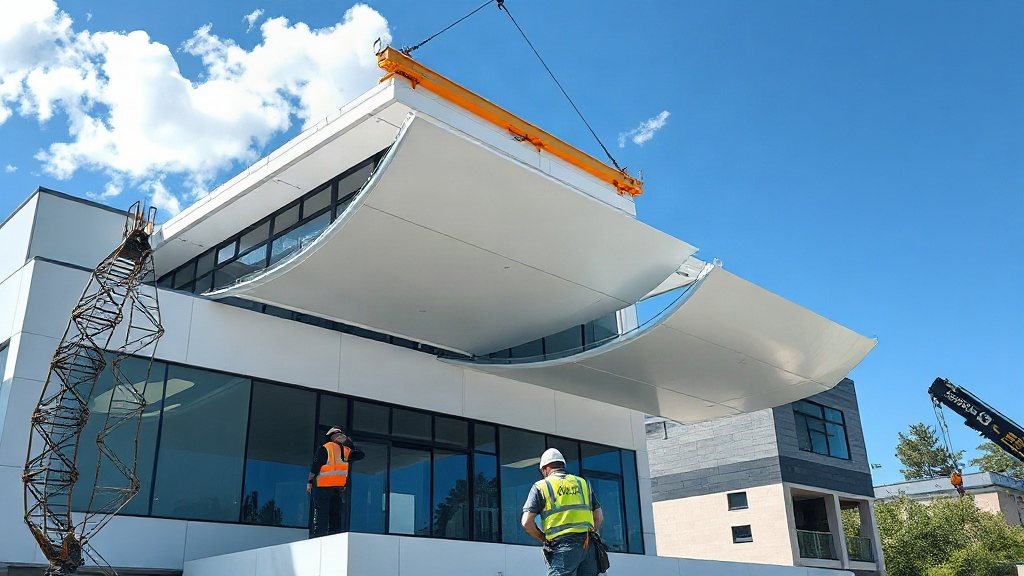
When you're planning a roofing project in Canada, whether it's a new build or a retrofit, the choice of materials can make or break your budget and comfort. Among the top contenders are insulated roof panels, which combine structural support and thermal protection in one package. But not all panels are created equal. The core material, often expanded polystyrene (EPS), plays a starring role in performance. In this guide, we'll dive deep into EPS-cored roof panels, why they've become a staple in Canadian construction, and how to choose the right system for your needs.
What Are Insulated Roof Panels?
Insulated roof panels are prefabricated building components that consist of an insulating core sandwiched between two structural facings, typically metal, wood, or cement board. They serve as both the roof deck and the insulation layer, eliminating the need for separate framing and insulation steps. This integrated approach speeds up construction and reduces thermal bridging.
These panels come in various core materials: polyurethane (PUR), polyisocyanurate (PIR), extruded polystyrene (XPS), and expanded polystyrene (EPS). Each has its strengths, but EPS has gained significant traction in the Canadian market due to its balance of cost, performance, and environmental profile.
Why EPS Insulation Shines in Roof Panels
EPS insulation is a rigid, closed-cell foam made from expanded polystyrene beads. It's lightweight, moisture-resistant, and offers excellent long-term thermal performance. When used as the core of a roof panel, EPS provides several key advantages:
- High R-value per inch: EPS typically ranges from R-3.6 to R-4.2 per inch, depending on density. This allows for thin panels with substantial insulating power.
- Moisture resistance: EPS doesn't readily absorb water, so it maintains its R-value even in damp conditions, a crucial factor for Canadian roofs that face snow, rain, and freeze-thaw cycles.
- Dimensional stability: EPS resists expansion and contraction, reducing the risk of gaps and cracks over time.
- Environmental benefits: EPS is 100% recyclable and often contains recycled content. It's also free of HCFCs and other ozone-depleting substances.
- Cost-effectiveness: Compared to polyiso or XPS, EPS is generally more affordable, making it a smart choice for budget-conscious projects without sacrificing performance.
These properties make EPS insulation a reliable core for roof panels in diverse Canadian climates, from coastal British Columbia to the prairies and beyond.
Sandwich Panels Canada: The Bigger Picture
When we talk about sandwich panels Canada wide, we're referring to a broad category of composite building panels used for walls, roofs, and floors. These panels consist of two rigid facings bonded to a lightweight core. In the Canadian context, sandwich panels are prized for their ability to deliver high thermal efficiency, rapid installation, and durable performance in harsh weather.
The roof variants of these panels, often called insulated roof panels, are engineered to bear structural loads while keeping heat in and moisture out. They're used in commercial, industrial, and residential buildings, including warehouses, cold storage facilities, agricultural buildings, and even modern homes.
EPS-cored sandwich panels are particularly popular because they offer a compelling combination of insulation value, structural integrity, and affordability. They can be customized with different facing materials and thicknesses to meet specific project requirements.
Benefits of EPS-Cored Insulated Roof Panels
Choosing EPS-cored insulated roof panels brings a host of benefits that can impact your project's bottom line and long-term performance.
Energy Efficiency
With rising energy costs and stricter building codes, energy efficiency is non-negotiable. EPS-cored panels provide a continuous layer of insulation, minimizing thermal bridging and reducing heat loss. This translates to lower heating and cooling bills, a smaller carbon footprint, and a more comfortable indoor environment.
Fast Installation
Because these panels arrive prefabricated, installation is quicker than traditional roof build-ups. They can be installed in large sections, often with simple interlocking joints, reducing labor time and on-site waste. For projects with tight deadlines, this speed is a major advantage.
Durability and Weather Resistance
EPS is inherently resistant to moisture, mold, and rot. When combined with metal facings, the panels form a robust barrier against rain, snow, and wind. Many systems are designed to meet Canadian building codes for snow load and wind uplift, ensuring safety and longevity.
Design Flexibility
EPS-cored panels can be manufactured in various thicknesses, lengths, and profiles. They can accommodate different roof pitches, from flat to steep, and can be finished with various coatings and colors to match your aesthetic.
Cost Savings
Beyond energy savings, EPS panels often cost less upfront than alternatives like polyiso or XPS. Their lightweight nature also reduces structural requirements and shipping costs.
Applications Across Canadian Construction
EPS-cored insulated roof panels are versatile and find use in numerous building types:
- Commercial and industrial: Warehouses, manufacturing plants, and retail spaces benefit from rapid installation and energy efficiency.
- Agricultural: Barns, poultry houses, and storage facilities require durable, moisture-resistant roofs.
- Cold storage: EPS panels maintain consistent temperatures in refrigerated warehouses and food processing plants.
- Residential: Modern homes and additions use these panels for vaulted ceilings and flat roofs.
- Institutional: Schools, hospitals, and community centers rely on their performance and fire safety (when properly rated).
In Canada, where temperature extremes are common, the reliability of EPS insulation is a significant draw.
Installation Tips for EPS-Cored Roof Panels
Proper installation is key to maximizing the benefits of your insulated roof panels. Here are some practical tips:
- Plan the layout: Measure your roof and order panels cut to size to minimize waste. Consider panel orientation for structural performance.
- Ensure proper support: Panels need adequate purlins or framing to handle snow and wind loads. Consult an engineer for your specific region.
- Seal joints: Use manufacturer-approved sealants and tapes to prevent air and water infiltration. Pay attention to penetrations like vents and skylights.
- Handle with care: Although EPS is durable, avoid dropping panels or damaging the facings. Store them off the ground and protected from the elements.
- Follow safety protocols: Use appropriate fall protection and lifting equipment. Panels can be large and heavy, so a team approach is often necessary.
If you're unsure about any step, hiring experienced installers is a wise investment.
Comparing EPS to Other Core Materials
How does EPS stack up against other common core materials?
- Polyurethane (PUR) and Polyisocyanurate (PIR): These offer higher R-values per inch (around R-6 to R-7), but they cost more and can be less environmentally friendly. They may be preferred when space is extremely limited.
- Extruded Polystyrene (XPS): XPS has higher moisture resistance and compressive strength than EPS, but it's more expensive and has a higher global warming potential due to its blowing agents.
- Mineral wool: Mineral wool is non-combustible and sound-absorbing, but it's heavier and has a lower R-value per inch than EPS. It's often used in fire-rated assemblies.
For many Canadian projects, EPS hits the sweet spot between performance, cost, and sustainability.
Environmental and Building Code Considerations
Building codes in Canada are evolving to demand higher energy efficiency. The National Energy Code for Buildings (NECB) and provincial codes often require specific R-values for roofs. EPS-cored panels can help meet these targets.
From an environmental standpoint, EPS is recyclable and has a lower embodied energy compared to some alternatives. However, proper disposal and recycling at end-of-life are important. Some manufacturers offer take-back programs.
Fire safety is another critical aspect. EPS is combustible, but when encapsulated in metal facings, it can achieve acceptable fire ratings. Always check local fire codes and choose panels with appropriate certifications.
Frequently Asked Questions
What is the R-value of EPS-cored insulated roof panels?
The R-value depends on the thickness and density of the EPS core. Typically, EPS offers R-3.6 to R-4.2 per inch. So a 4-inch panel might provide around R-14 to R-17. Always verify with the manufacturer's specifications.
Can EPS-cored panels be used in cold Canadian climates?
Absolutely. EPS maintains its thermal performance in cold weather and resists moisture, making it well-suited for Canadian winters. However, proper installation and vapor barriers are essential to prevent condensation.
How do EPS panels compare to spray foam insulation for roofs?
Spray foam offers excellent air sealing and insulation but requires professional application and can be more expensive. EPS panels provide similar R-values with faster installation and less mess, but they may need additional air sealing at joints.
Are EPS-cored roof panels environmentally friendly?
EPS is recyclable and often made with recycled content. It does not contain ozone-depleting substances. However, it is petroleum-based, so its overall environmental impact depends on lifecycle considerations. Choosing panels with recycled content and proper disposal can improve sustainability.
What is the typical lifespan of EPS insulated roof panels?
With proper installation and maintenance, EPS-cored panels can last 30 years or more. The metal facings are durable, and EPS resists degradation from moisture and pests. Regular inspections help ensure longevity.
Making the Right Choice for Your Project
Selecting the best insulated roof panels for your Canadian building involves weighing factors like budget, energy goals, climate, and timeline. EPS-cored panels offer a compelling combination of affordability, thermal performance, and ease of installation. They are a smart choice for many residential, commercial, and industrial applications.
To ensure success, work with reputable suppliers who can provide detailed specifications, certifications, and support. Consider consulting a building science professional to optimize your roof assembly for your specific location and use case.
By understanding the nuances of EPS insulation and sandwich panel technology, you can make an informed decision that pays off in comfort, savings, and durability for years to come.