
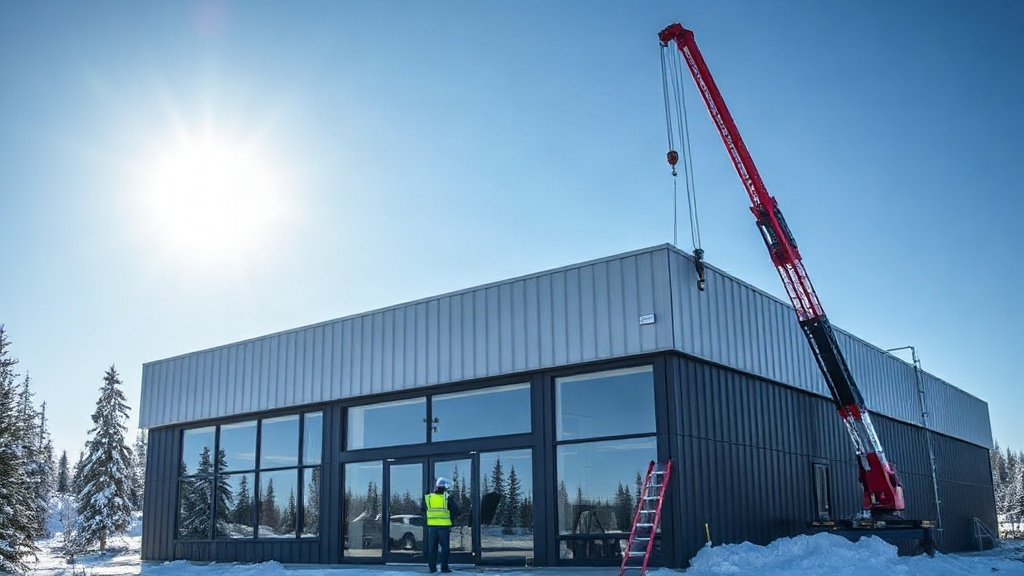
When you're building or renovating in Canada, the conversation around insulation quickly turns to performance, durability, and cost. EPS insulation has become a staple in Canadian construction for its balance of thermal resistance, moisture management, and affordability. But how does it fit into larger building systems like sandwich panels and insulated roof panels? In this article, we'll unpack the role of EPS in modern construction, compare it with other materials, and show you why it's a smart choice for projects across Canada's diverse climate zones.
What Is EPS Insulation and Why Does It Matter in Canada?
EPS, or Expanded Polystyrene, is a rigid foam insulation made from polystyrene beads that are expanded with steam and molded into blocks or sheets. It's lightweight, easy to cut, and boasts a consistent R-value of about R-4 per inch. In Canada, where temperature swings can range from -40°C in the Prairies to humid coastal conditions in British Columbia, EPS holds its own. Unlike some insulation types that lose performance when wet, EPS maintains its thermal resistance even in damp conditions, provided it's properly installed with drainage planes.
One of the reasons EPS has gained traction is its environmental profile. It's 98% air, and many manufacturers now produce it with recycled content. It's also fully recyclable at the end of its life. For Canadian builders aiming for net-zero or Passive House standards, EPS offers a reliable, cost-effective layer in the building envelope.
Key Benefits of EPS Insulation
- High R-value per dollar: EPS typically costs less than XPS or polyiso for the same thickness, making it budget-friendly for large areas like roofs and walls.
- Moisture resistance: Closed-cell structure resists water absorption, though it's not a vapor barrier.
- Versatility: Available in various densities and thicknesses, EPS can be used in walls, roofs, and under slabs.
- Longevity: When protected from UV and physical damage, EPS can last the lifetime of the building.
However, EPS isn't a one-size-fits-all solution. It has a lower R-value per inch compared to polyisocyanurate (polyiso) or closed-cell spray foam, so thicker layers may be needed. In tight spaces, that can be a drawback. But when space isn't at a premium, EPS often wins on overall value.
Sandwich Panels Canada: The Backbone of Efficient Building Envelopes
If you've driven past a modern warehouse, cold storage facility, or even a trendy office building, you've likely seen sandwich panels. These prefabricated panels consist of an insulating core bonded between two rigid facings, typically metal, but sometimes fiberglass or other materials. In Canada, sandwich panels are prized for their speed of installation, thermal performance, and sleek appearance.
The core material can vary: polyurethane (PUR), polyisocyanurate (PIR), mineral wool, or EPS insulation. Each has its strengths. EPS cores are a popular choice for projects where cost and moisture resistance are priorities. They offer good thermal performance and are lighter than mineral wool, making them easier to handle on site.
Why Choose Sandwich Panels with EPS Cores?
Sandwich panels with EPS cores provide a continuous insulation layer that minimizes thermal bridging. They're ideal for large-scale buildings like warehouses, agricultural structures, and commercial roofs. In Canada, where energy codes are increasingly stringent, these panels help meet requirements without adding excessive thickness. Plus, they arrive on-site ready to install, cutting labor time and waste.
One Canadian manufacturer we spoke with noted that EPS-core sandwich panels are particularly popular in the Prairies, where temperature extremes demand reliable performance. The panels are engineered to withstand wind uplift and snow loads, critical in regions like Alberta and Saskatchewan.
Insulated Roof Panels: The Smart Choice for Canadian Roofs
Your roof is your building's first line of defense against the elements. In Canada, that means snow, ice dams, heavy rain, and UV exposure. Insulated roof panels combine structural strength with thermal insulation in a single unit, eliminating the need for separate insulation and decking. They're often made with foam cores (EPS, XPS, or polyiso) and metal skins, and they're designed to interlock for a weather-tight seal.
These panels are a game-changer for both new construction and retrofits. On a recent project in Ontario, a homeowner replaced their aging shingle roof with insulated metal panels featuring EPS cores. The result: a 30% reduction in heating costs and a roof that can handle snow loads up to 50 psf. While that's a specific case, it illustrates the potential.
How EPS Insulation Enhances Insulated Roof Panels
EPS is a natural fit for insulated roof panels because it's lightweight, moisture-resistant, and cost-effective. It doesn't absorb water, so it won't degrade if minor leaks occur. And because it's rigid, it adds structural stability to the panel. However, EPS has a lower R-value per inch than polyiso, so achieving high R-values may require thicker panels. That's a trade-off many builders accept for the cost savings.
Another advantage: EPS is compatible with most adhesives and facings, giving manufacturers flexibility in design. Whether you need a flat roof panel for a commercial building or a sloped panel for a residential home, EPS can be tailored to the application.
Comparing EPS to Other Insulation Materials in Sandwich Panels
When specifying sandwich panels, the core material is a critical decision. Here's how EPS stacks up:
- EPS vs. Polyurethane (PUR): PUR has a higher R-value per inch (around R-6 to R-7), but it's more expensive and can be less environmentally friendly. EPS is cheaper and recyclable.
- EPS vs. Mineral Wool: Mineral wool excels in fire resistance and soundproofing, but it's heavier and more expensive. EPS is lighter and easier to install, but it's combustible and requires fire barriers in some applications.
- EPS vs. XPS: XPS has a slightly higher R-value and better moisture resistance, but it's more costly and less eco-friendly due to blowing agents. EPS is a budget-friendly alternative with comparable performance in many cases.
For Canadian projects, the choice often comes down to budget, code requirements, and climate. In colder regions, the higher R-value of PUR or XPS might justify the cost. But for many commercial and industrial buildings, EPS offers the best balance.
Installation Tips for EPS Insulation in Roof and Wall Panels
Even the best materials can underperform if not installed correctly. Here are some practical tips from Canadian contractors:
- Ensure proper drainage: In roof applications, use a drainage plane and avoid trapping moisture against the EPS. While EPS resists water, prolonged exposure can lead to mold on adjacent materials.
- Seal joints tightly: Gaps between panels reduce thermal performance. Use high-quality tapes and sealants designed for your climate.
- Consider thermal bridging: Use offset layers or add a continuous insulation layer over structural members.
- Check local codes: Some provinces have specific requirements for foam plastic insulation in commercial buildings, especially regarding fire safety.
It's also wise to work with suppliers who understand Canadian conditions. They can recommend panel thicknesses and configurations that meet your energy targets without over-engineering.
Frequently Asked Questions About EPS Insulation and Sandwich Panels
Is EPS insulation suitable for Canadian winters?
Yes, EPS performs well in cold temperatures. Its R-value remains stable, and it doesn't become brittle. However, it should be protected from UV and physical damage. In extremely cold climates, thicker EPS may be needed to achieve desired R-values.
Can sandwich panels with EPS cores be used for cold storage?
Absolutely. EPS-core sandwich panels are commonly used in cold storage facilities because they resist moisture and provide consistent insulation. They help maintain temperature and reduce energy costs.
How do insulated roof panels compare to traditional roofing with separate insulation?
Insulated roof panels offer faster installation, fewer thermal bridges, and better overall performance. Traditional roofing requires multiple layers (decking, insulation, membrane), which can be more labor-intensive and prone to installation errors.
What is the fire rating of EPS insulation?
EPS is combustible and should be covered with a fire-rated barrier (like gypsum board or metal) in occupied spaces. In sandwich panels, the metal facings provide some fire resistance, but check local building codes for specific requirements.
Are EPS sandwich panels environmentally friendly?
EPS is recyclable and often contains recycled content. It has a lower embodied energy compared to some other insulation materials. However, proper disposal and recycling at end-of-life are important to minimize environmental impact.
Choosing the right insulation system for your Canadian building project requires balancing performance, cost, and local conditions. EPS insulation, sandwich panels, and insulated roof panels each play a vital role in creating efficient, durable envelopes. By understanding their strengths and limitations, you can make informed decisions that pay off in comfort and energy savings for years to come.