
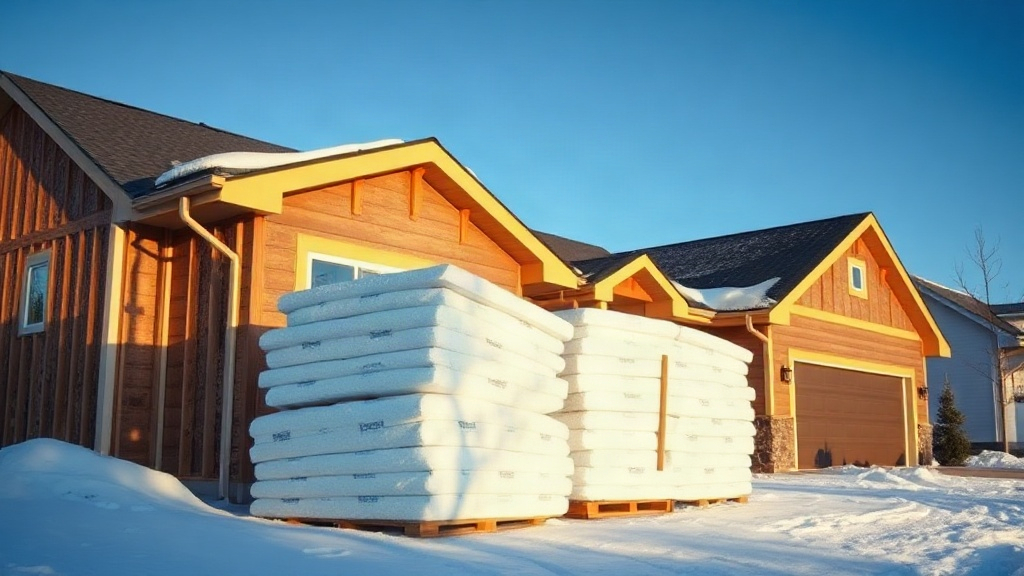
When it comes to insulating your home in Canada, the options can be overwhelming. Between fiberglass, spray foam, and rigid boards, one material that often flies under the radar is Expanded Polystyrene, commonly known as EPS insulation. But don't let its simplicity fool you. EPS has been quietly proving itself as a reliable, cost-effective, and versatile choice for Canadian homeowners and builders alike. In this article, we'll take a closer look at what makes EPS stand out, how it performs in our unique climate, and what you should know before making a decision.
What Is EPS Insulation?
EPS insulation is a type of rigid foam board made from expanded polystyrene beads. The manufacturing process involves heating polystyrene beads with steam, causing them to expand and fuse together. The result is a lightweight, rigid panel with millions of tiny air pockets that provide excellent thermal resistance. Unlike extruded polystyrene (XPS), which has a closed-cell structure, EPS has an open-cell structure, but it still offers impressive insulating properties.
One of the key advantages of EPS is its environmental profile. It is 100% recyclable and often contains recycled content. It does not use ozone-depleting blowing agents, making it a more eco-friendly option compared to some other foam insulations. Plus, its production requires less energy than many alternatives.
Why EPS Insulation Makes Sense in Canada
Canadian winters are no joke. With temperatures dropping well below freezing for months, a well-insulated home is not a luxury—it's a necessity. EPS insulation performs admirably in cold climates because its thermal resistance remains stable even at low temperatures. Unlike some materials that lose R-value in the cold, EPS maintains its performance.
Moreover, EPS is moisture-resistant. While it's not a vapor barrier, it doesn't absorb water readily, which helps prevent mold and mildew growth. In a country where snow and rain are common, this is a significant benefit. EPS also allows walls to breathe, reducing the risk of trapped moisture that can lead to rot and structural damage.
Another point in favor of EPS is its cost. It is generally more affordable than XPS or polyisocyanurate, making it an attractive option for budget-conscious builders and homeowners. When you factor in the energy savings over time, EPS delivers a solid return on investment.
EPS Insulation vs. Other Insulation Materials
To understand where EPS fits in, let's compare it to some common alternatives:
- Fiberglass: Cheaper upfront but lower R-value per inch and can be irritating to install. It also loses performance if it gets wet.
- Spray Foam: Excellent air sealing and high R-value, but significantly more expensive and requires professional installation.
- XPS: Higher R-value per inch than EPS and more moisture-resistant, but also more expensive and less environmentally friendly due to blowing agents.
- Polyisocyanurate: Highest R-value per inch among rigid foams, but also the most expensive and can have issues with foil facing in cold temperatures.
EPS strikes a balance between performance, cost, and environmental impact. It may not have the highest R-value per inch, but when installed correctly with sufficient thickness, it can meet most insulation needs.
Applications of EPS Insulation
EPS insulation is incredibly versatile. It can be used in various parts of a building envelope:
- Walls: As rigid board insulation on exterior walls, EPS reduces thermal bridging and improves overall wall performance.
- Roofs: Insulated roof panels often incorporate EPS as the core material because of its lightweight and insulating properties.
- Foundations: EPS boards are used on foundation walls to prevent heat loss and protect waterproofing membranes.
- Under slabs: EPS can be placed under concrete slabs to insulate floors.
In addition, EPS is a popular core material for sandwich panels Canada manufacturers produce. These panels consist of two rigid facings (such as metal or OSB) bonded to an EPS core. They are used in walls, roofs, and even cold storage facilities. The combination of structural strength and insulation makes them a favorite in both residential and commercial construction.
Insulated Roof Panels: A Case for EPS
When it comes to roofing, insulated roof panels are a game-changer. They provide insulation and weather protection in one product, simplifying installation and reducing labor costs. EPS is an ideal core for these panels because it is lightweight, easy to cut, and provides consistent insulation. Whether you're building a new home or retrofitting an existing roof, EPS-cored insulated roof panels can help you achieve better energy efficiency.
But not all insulated roof panels are created equal. The quality of the facing material, the density of the EPS, and the adhesive used all affect performance. It's important to choose panels from reputable manufacturers who adhere to Canadian standards.
Sandwich Panels Canada: What to Look For
If you're in the market for sandwich panels Canada suppliers offer a range of options. Here are some factors to consider:
- Core material: EPS, XPS, polyurethane, or mineral wool. Each has pros and cons.
- Thickness: Determines the R-value. Thicker panels provide better insulation.
- Facing: Metal, OSB, plywood, or fiberglass. Metal is durable and low-maintenance.
- Fire rating: Ensure the panels meet local building codes for fire safety.
- Installation: Some panels are easier to install than others. Consider whether you need professional help.
EPS-cored sandwich panels are a cost-effective choice for many applications, from agricultural buildings to residential homes. They offer good insulation, are lightweight, and can be installed quickly.
Installation Tips for EPS Insulation
Proper installation is key to maximizing the benefits of EPS insulation. Here are some tips:
- Ensure the surface is clean, dry, and flat before installing EPS boards.
- Use construction adhesive and mechanical fasteners to secure boards.
- Seal gaps and joints with expanding foam or tape to prevent air leakage.
- Install a weather-resistant barrier over the EPS on exterior applications.
- Follow manufacturer guidelines for thickness and R-value requirements.
If you're not confident in your DIY skills, hiring a professional installer is recommended. Poor installation can lead to gaps, moisture issues, and reduced performance.
Environmental Impact and Sustainability
EPS is often misunderstood when it comes to environmental impact. It is recyclable, and many manufacturers use recycled content. It does not contain HCFCs or CFCs, which deplete the ozone layer. Its lightweight nature also means less fuel is required for transportation. When you choose EPS, you're making a choice that is both practical and environmentally responsible.
However, like all plastics, EPS is derived from petrochemicals. It is not biodegradable, so proper disposal and recycling are important. Some municipalities have recycling programs for EPS, but availability varies. Always check local guidelines.
Frequently Asked Questions
Is EPS insulation suitable for Canadian winters?
Yes, EPS insulation performs well in cold temperatures. Its R-value remains stable, and it resists moisture, which is crucial for Canadian climates.
Can EPS insulation be used on roofs?
Absolutely. EPS is commonly used in insulated roof panels and can be installed on flat or sloped roofs. It provides excellent thermal performance and is lightweight.
What is the R-value of EPS insulation?
EPS typically has an R-value of about R-4 per inch. The total R-value depends on the thickness of the boards. For example, a 2-inch board provides approximately R-8.
Are sandwich panels with EPS core available in Canada?
Yes, many Canadian manufacturers produce sandwich panels Canada wide, including those with EPS cores. They are used in walls, roofs, and cold storage.
How does EPS compare to XPS in terms of cost?
EPS is generally less expensive than XPS. While XPS has a slightly higher R-value per inch, EPS offers a better cost-to-performance ratio for many applications.
Final Thoughts
EPS insulation may not be the flashiest option, but it is a smart, practical choice for Canadian homes and buildings. It offers reliable thermal performance, moisture resistance, and affordability. Whether you're insulating a basement, a wall, or a roof, EPS can help you achieve your energy efficiency goals. When paired with quality insulated roof panels or sandwich panels Canada made, it becomes part of a robust building envelope. Before you decide, consult with a professional to ensure EPS is right for your project.