
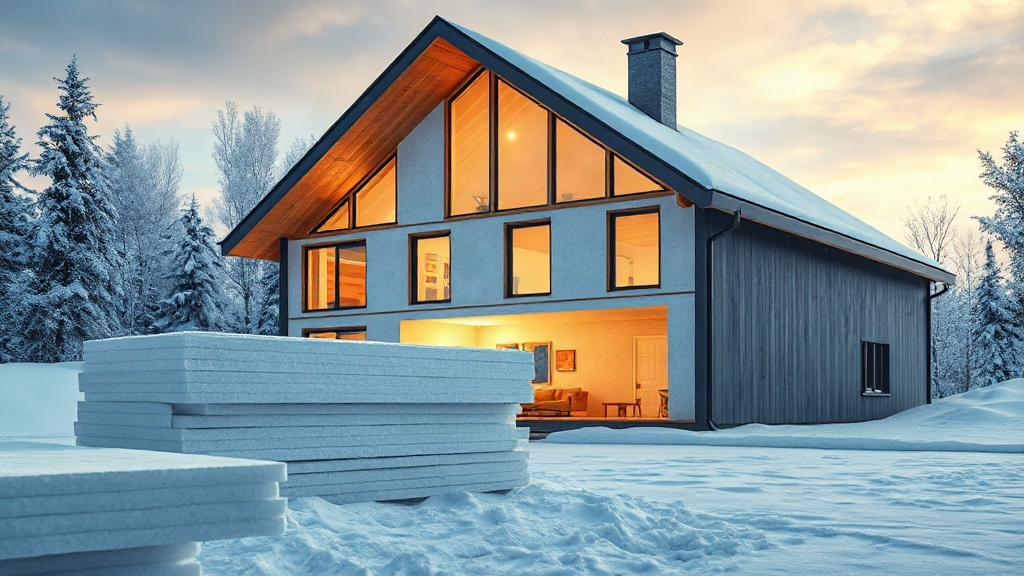
When you think about upgrading your home's energy efficiency, you might picture solar panels or smart thermostats. But there's a quieter hero in the fight against high energy bills: EPS insulation. Expanded polystyrene, or EPS, is a lightweight, rigid foam insulation that has been quietly revolutionizing how Canadian homes stay warm in winter and cool in summer. If you're planning a renovation, building a new home, or just tired of drafty rooms, understanding EPS insulation could be your best move yet.
What Exactly Is EPS Insulation?
EPS insulation is made from expanded polystyrene beads that are heated and fused together. The result is a rigid, closed-cell foam board that's packed with tiny air pockets. These pockets are what make EPS such an effective insulator: they trap air and slow down the transfer of heat. Unlike some other insulation types, EPS is lightweight, easy to cut, and doesn't absorb water, which means it maintains its insulating performance even in damp conditions.
In Canada, where temperature swings can be extreme, EPS has become a go-to material for builders and renovators. It's used in walls, roofs, and foundations, and it's a key component in many modern building envelopes. But what makes it stand out?
The Science Behind EPS: Why It Works So Well
Heat always wants to move from warm areas to cold areas. In winter, your cozy indoor heat tries to escape outside; in summer, the opposite happens. Insulation slows this movement. EPS has a high R-value per inch, typically around R-4 per inch, which means even a relatively thin layer provides significant resistance to heat flow.
But R-value isn't the whole story. EPS also manages moisture well. Because it's closed-cell, it won't soak up water like fiberglass or cellulose can. That's crucial in Canada, where snow, rain, and humidity are facts of life. Wet insulation is nearly useless, so EPS's ability to stay dry means it keeps working year after year.
Why Choose EPS Insulation for Canadian Homes?
Canada's climate is tough on buildings. From the freezing temperatures of the Prairies to the wet, coastal winters of British Columbia, homes need insulation that can handle it all. EPS insulation delivers on multiple fronts:
- Energy savings: By reducing heat loss, EPS can cut your heating and cooling costs significantly. Many homeowners report savings of up to 30% on their energy bills after upgrading insulation.
- Moisture resistance: EPS doesn't absorb water, so it won't lose its R-value when exposed to moisture. It also resists mold and mildew growth.
- Durability: EPS is tough. It won't compress or degrade over time, and it's resistant to insects and rodents.
- Eco-friendly: EPS is 100% recyclable, and many manufacturers use recycled content. It also requires less energy to produce than some other insulation materials.
- Cost-effective: Compared to other rigid foam insulations like polyisocyanurate or extruded polystyrene (XPS), EPS is often more affordable while still offering excellent performance.
Where Does EPS Insulation Fit in Your Home?
EPS insulation is versatile. It can be used in almost any part of a home:
Walls
Whether you're building a new home or retrofitting an existing one, EPS rigid foam boards can be added to exterior walls. They provide a continuous layer of insulation that reduces thermal bridging (where heat escapes through studs). For interior walls, EPS can be combined with other insulation for a higher total R-value.
Roofs
Your roof is one of the biggest sources of heat loss. Insulated roof panels that incorporate EPS are a popular solution. These panels often consist of a layer of EPS foam bonded to a structural board, providing both insulation and a substrate for roofing materials. They're especially common in flat roof applications and can be used in pitched roofs as well.
In Canada, where snow load is a consideration, EPS's lightweight nature is a bonus. It doesn't add significant weight to the roof structure, which can simplify engineering and installation.
Foundations
Basements and crawl spaces can be major energy drains. EPS insulation boards are ideal for foundation walls, both inside and out. They help keep the concrete warm, reducing the risk of condensation and mold, and they make the space more comfortable.
EPS Insulation and Sandwich Panels: A Perfect Match
If you've been researching modern building materials, you've likely come across sandwich panels canada. These are composite panels made of two rigid facings (often metal or oriented strand board) bonded to an insulating core. EPS is one of the most common core materials because it offers an excellent balance of insulation value, strength, and cost.
Sandwich panels with EPS cores are used in walls, roofs, and even floors. They're prefabricated, which means faster installation and less on-site waste. For Canadian builders, especially in remote areas or projects with tight timelines, sandwich panels can be a game-changer. They provide a complete building envelope solution that's energy-efficient and durable.
When you choose EPS as the core, you get the added benefits of moisture resistance and long-term thermal performance. Plus, EPS is compatible with a wide range of adhesives and facings, so it can be tailored to specific project needs.
Installation Tips for EPS Insulation
While EPS insulation is relatively DIY-friendly, proper installation is key to maximizing its benefits. Here are some practical tips:
- Seal gaps: Even small gaps between boards can let heat escape. Use expanding foam or tape to seal seams.
- Use the right thickness: Calculate the R-value you need based on your climate zone. In Canada, this varies from R-12 in milder coastal areas to R-40 or more in the far north.
- Protect from UV: EPS degrades when exposed to sunlight. If it's not covered by siding or roofing, apply a protective coating.
- Consider a vapor barrier: In cold climates, a vapor barrier on the warm side of the insulation prevents moisture from entering the wall cavity.
- Hire a pro for complex jobs: While simple installations can be DIY, roofs and foundations often require professional expertise to ensure proper performance.
Is EPS Insulation Right for Your Canadian Home?
EPS insulation is not a one-size-fits-all solution, but for many Canadian homes, it's an excellent choice. It's particularly well-suited for:
- New construction where energy efficiency is a priority.
- Retrofits of older homes with inadequate insulation.
- Projects requiring moisture-resistant insulation, like basements and crawl spaces.
- Flat roofs and low-slope roofs where insulated roof panels are needed.
- Prefab or modular buildings that use sandwich panels.
Of course, you should always consult with a local insulation expert to determine the best approach for your specific situation. Factors like climate, building codes, and budget will influence your decision.
Frequently Asked Questions About EPS Insulation
How does EPS insulation compare to XPS in cold Canadian winters?
Both EPS and XPS (extruded polystyrene) are rigid foams, but they differ in performance. XPS has a slightly higher R-value per inch (around R-5) and is more moisture-resistant, but it's also more expensive and less environmentally friendly. EPS offers a better cost-to-performance ratio and is often sufficient for most applications. In very cold climates, thicker EPS can achieve the same R-value as thinner XPS, often at a lower cost.
Can EPS insulation be used in a basement that floods?
EPS itself is not affected by water, but if your basement floods regularly, you have a water management issue that needs to be addressed first. EPS won't absorb water, but standing water can still damage other building materials and reduce overall performance. It's best to fix drainage problems before installing insulation.
What is the fire performance of EPS insulation?
EPS contains a flame retardant, but it is still combustible. In Canada, building codes require that EPS be covered with a thermal barrier, such as drywall, in occupied spaces. When properly installed, EPS meets fire safety standards. Always check local codes and follow manufacturer instructions.
Are sandwich panels with EPS cores suitable for Canadian building codes?
Yes, many sandwich panels with EPS cores are certified for use in Canada and meet building code requirements for insulation and structural performance. However, you should verify that the specific product has the necessary certifications for your province and application. Working with a reputable supplier ensures compliance.
How long does EPS insulation last?
EPS insulation is incredibly durable. It doesn't rot, mold, or deteriorate over time, and its R-value remains stable. When installed correctly, it can last the lifetime of the building. Some studies have shown that EPS retains over 90% of its R-value after 50 years.
Making the Smart Choice for Your Home
Upgrading your insulation is one of the most effective ways to improve your home's energy efficiency and comfort. EPS insulation offers a compelling combination of performance, durability, and affordability. Whether you're tackling a small renovation or building a new home, it's worth considering how EPS can fit into your plans. With the right installation and a little expert advice, you can enjoy a warmer, quieter, and more energy-efficient home for years to come.