
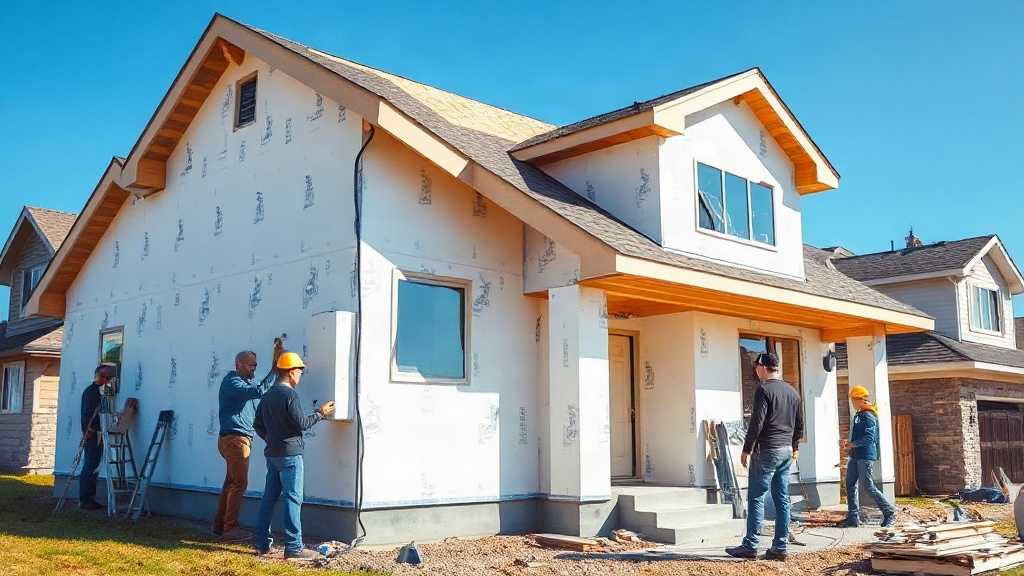
When it comes to insulating your Canadian home, the options can be overwhelming. Between fiberglass, spray foam, and cellulose, one material that often gets overlooked but deserves serious attention is EPS insulation. Expanded Polystyrene (EPS) has been used in construction for decades, but recent advancements have made it a top contender for energy-efficient building envelopes. In this article, we'll dive into why EPS insulation is a smart choice for Canadian homeowners, especially when paired with systems like sandwich panels canada and insulated roof panels.
What Exactly Is EPS Insulation?
EPS insulation is a rigid, closed-cell foam made from expanded polystyrene beads. It's lightweight, yet remarkably strong, and offers excellent thermal resistance. Unlike some other insulation types, EPS doesn't absorb water, which is crucial in Canada's varied climate. It's also free of HCFCs and formaldehyde, making it a safer option for indoor air quality.
How EPS Insulation Works
The magic of EPS lies in its structure: millions of tiny air pockets trapped within the polystyrene matrix. These pockets slow down heat transfer, keeping your home warm in winter and cool in summer. The material's closed-cell nature means it resists moisture, preventing mold and mildew growth.
Why Choose EPS Insulation for Canadian Homes?
Canada's climate is notoriously harsh, with temperature swings from -30°C in winter to +30°C in summer. EPS insulation performs well across this range, maintaining its R-value without significant degradation. Let's break down the key benefits.
1. Superior Energy Efficiency
EPS insulation has an R-value of about 3.6 to 4.2 per inch, depending on density. This means a relatively thin layer can provide substantial thermal resistance. When used in walls, roofs, and foundations, EPS can significantly reduce heating and cooling costs. Homeowners often report savings of up to 30% on energy bills after upgrading to EPS insulation.
2. Moisture Resistance
One of the biggest threats to insulation performance is moisture. EPS doesn't absorb water, so it maintains its insulating properties even in damp conditions. This is particularly important for basements and crawl spaces, where humidity can be high.
3. Durability and Longevity
EPS insulation doesn't rot, mold, or deteriorate over time. It's also resistant to pests and won't settle or sag like some fibrous insulations. With proper installation, EPS can last the lifetime of your home.
4. Eco-Friendly and Recyclable
EPS is 100% recyclable and often contains recycled content. Its lightweight nature also means less energy consumed during transportation. Plus, by reducing your home's energy demand, you're lowering your carbon footprint.
5. Cost-Effective
Compared to spray foam or polyisocyanurate, EPS is more affordable upfront. And because it's durable and energy-efficient, it saves money in the long run.
EPS Insulation in Sandwich Panels and Roof Panels
EPS is a core component in many sandwich panels canada systems. These panels consist of two rigid facings (often metal or OSB) bonded to an EPS core. They're used for walls, roofs, and floors in residential and commercial buildings. The combination offers structural integrity and insulation in one product.
Similarly, insulated roof panels with EPS cores are becoming popular for both new builds and retrofits. They provide a continuous layer of insulation, eliminating thermal bridging and improving overall energy performance. In Canada, where snow loads are a concern, EPS roof panels are engineered to meet building codes while keeping roofs lightweight.
Installation Tips for EPS Insulation
- Ensure proper fitting: Cut EPS panels accurately to avoid gaps that can compromise insulation.
- Use compatible sealants: Some adhesives can degrade EPS; always check compatibility.
- Protect from UV exposure: EPS should be covered with a suitable facing or coating when exposed to sunlight.
- Consider professional installation: While DIY is possible, hiring a pro ensures optimal performance.
Comparing EPS to Other Insulation Materials
How does EPS stack up against fiberglass, XPS, and spray foam?
- Fiberglass: Cheaper but lower R-value per inch and susceptible to moisture.
- XPS: Higher R-value but more expensive and less environmentally friendly due to blowing agents.
- Spray Foam: Excellent air sealing but costly and requires professional application.
EPS offers a balanced mix of performance, cost, and sustainability.
Common Questions About EPS Insulation
Is EPS insulation safe for my family?
Yes, EPS is considered safe. It doesn't contain harmful chemicals like formaldehyde and is approved by building codes across Canada.
Can EPS insulation be used in extreme cold?
Absolutely. EPS maintains its R-value even at low temperatures, making it ideal for Canadian winters.
How long does EPS insulation last?
With proper installation, EPS can last 50+ years without significant loss of performance.
Is EPS insulation fire-resistant?
EPS contains flame retardants and will self-extinguish when the flame source is removed. However, it should be covered with a fire-rated barrier like drywall in interior applications.
Where can I buy EPS insulation in Canada?
Many building supply stores and specialized insulation companies across Canada carry EPS products. For sandwich panels and roof panels, consult a manufacturer like EPS Insulation Canada.
In conclusion, EPS insulation is a smart, reliable, and sustainable choice for Canadian homes. Whether you're building new or renovating, consider EPS for your next project.