
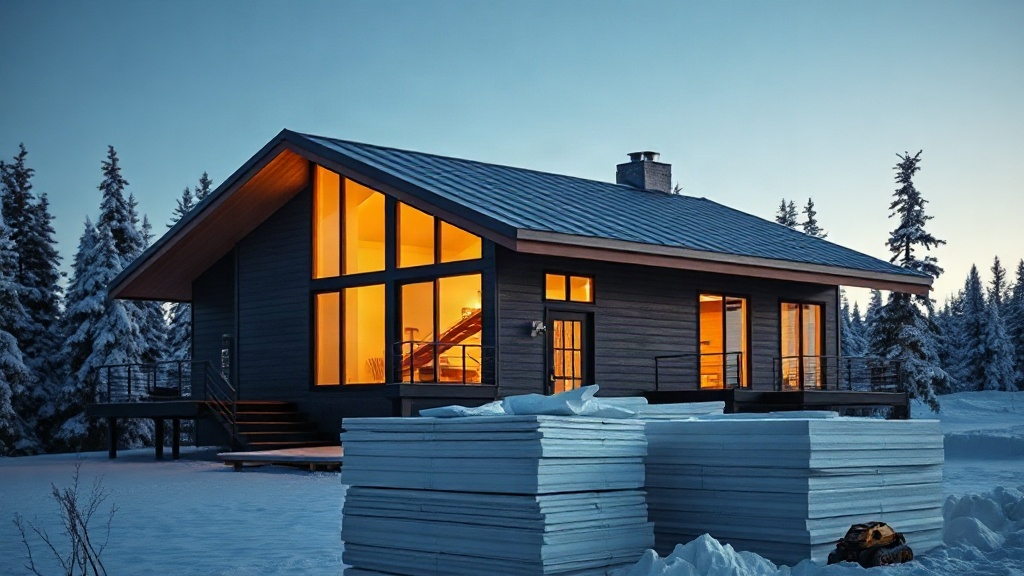
When winter winds howl and summer sun beats down, your roof is your home's first line of defense. But if that roof isn't properly insulated, you're literally throwing money out the window. In Canada, where temperature swings can exceed 60°C annually, the right roofing solution isn't just a luxury—it's a necessity. Enter insulated roof panels, a game-changer for homeowners and builders alike. These panels combine structural strength with high-performance EPS insulation, creating a thermal barrier that keeps your home cozy in winter and cool in summer. And if you're in the market for sandwich panels Canada style, you're in the right place. Let's dive into why these panels are transforming Canadian roofs and how you can benefit.
What Are Insulated Roof Panels?
Insulated roof panels are composite building materials made of an insulating foam core sandwiched between two structural facings. The most common core material is expanded polystyrene (EPS), a lightweight, rigid foam with excellent thermal properties. The facings can be metal, plywood, OSB, or even fiberglass. When you hear about sandwich panels Canada homeowners use, it's often these very panels. They're prefabricated in controlled factory conditions, ensuring consistent quality and precise dimensions. Unlike traditional roofing where you install insulation separately, these panels do double duty: they support your roof loads and insulate simultaneously. This integrated approach saves time, labor, and materials.
The Power of EPS Insulation
EPS isn't just any insulation; it's a proven performer. Made from tiny beads of polystyrene expanded with steam, EPS is 98% air, making it incredibly lightweight yet effective. Its R-value per inch ranges from R-3.6 to R-4.4, depending on density. That means a 4-inch EPS core delivers around R-16, comparable to much thicker fiberglass batts. But EPS has advantages beyond R-value. It resists moisture absorption, so it won't lose performance if exposed to dampness. It's also rot-proof, insect-resistant, and free of harmful CFCs or HCFCs. For Canadian climates, where freeze-thaw cycles can wreak havoc on traditional insulation, EPS remains stable. Plus, it's affordable, making high-performance insulation accessible to more homeowners.
How EPS Compares to Other Insulation
Polyurethane (PUR) and polyisocyanurate (polyiso) offer higher R-values per inch (around R-6 to R-7), but they cost significantly more. Extruded polystyrene (XPS) performs well in wet conditions but has a higher environmental impact due to blowing agents. EPS strikes a balance: good thermal performance, moisture resistance, and eco-friendliness at a reasonable price. For most residential roofs, EPS is the sweet spot.
Why Choose Insulated Roof Panels for Your Canadian Home?
Canada's climate is unforgiving. From coastal rain to prairie blizzards, your roof must handle it all. Here's why insulated roof panels excel:
- Energy Efficiency: By minimizing heat transfer, these panels reduce heating and cooling costs by up to 30%. That's real savings every month.
- Comfort: Say goodbye to drafty rooms and ice dams. Consistent indoor temperatures mean a more comfortable home.
- Durability: The composite construction resists warping, sagging, and moisture damage. With proper installation, they can last 50 years or more.
- Fast Installation: Prefabricated panels arrive ready to install. A crew can cover a typical roof in days, not weeks, reducing labor costs and disruption.
- Environmental Impact: Less energy waste means a smaller carbon footprint. EPS is also recyclable in many areas.
Real-World Savings: A Case Study
Consider a 1,500 sq ft bungalow in Ontario. Before upgrading, its annual heating bill was $2,800. After installing 4-inch EPS insulated roof panels, the bill dropped to $1,900—a 32% reduction. The homeowner also noticed fewer drafts and a quieter home. The upfront cost was around $12,000, but with rebates and savings, the payback period was under 8 years.
Types of Insulated Roof Panels
Not all panels are created equal. Understanding your options helps you make an informed choice.
Structural Insulated Panels (SIPs)
SIPs consist of an EPS core bonded to OSB or plywood facings. They're used for walls and roofs, providing exceptional strength and insulation. They're ideal for new construction and major renovations.
Metal-Faced Insulated Panels
These feature a metal skin (steel or aluminum) over EPS or polyurethane. They're popular for commercial and industrial roofs but are increasingly used in residential settings for their durability and sleek look. If you're searching for sandwich panels Canada suppliers, you'll find many offer metal-faced options.
Composite Panels with EPS Core
These combine EPS with various facings like fiberglass or cement board. They offer design flexibility and can mimic traditional roofing materials.
Installation Tips for Canadian Climates
Proper installation is critical to performance. Here are key considerations:
- Vapor Barrier: In cold climates, a vapor barrier on the warm side prevents moisture migration into the panels.
- Ventilation: Ensure adequate attic ventilation to avoid trapped moisture.
- Snow Load: Check local building codes for snow load requirements; panels must be engineered to handle them.
- Sealing: Use high-quality sealants and tapes to prevent air leakage at joints.
- Professional Installation: While DIY is possible, hiring a certified installer ensures optimal performance and warranty compliance.
Cost Analysis: Are They Worth It?
Insulated roof panels cost more upfront than traditional roofing. Expect to pay $8 to $15 per square foot installed, depending on panel type and thickness. Traditional asphalt shingles with separate insulation might run $5 to $10 per square foot. However, the energy savings and reduced maintenance often justify the investment. Plus, many Canadian provinces offer rebates for energy-efficient upgrades. For example, the Canada Greener Homes Grant provides up to $5,000 for insulation improvements. Combining rebates with long-term savings makes insulated panels a financially sound choice.
Common Mistakes to Avoid
Even with good intentions, homeowners sometimes slip up. Watch out for these pitfalls:
- Underestimating Thickness: More insulation isn't always better if it compromises structural integrity. Consult an engineer.
- Ignoring Moisture Management: Without proper barriers, condensation can rot the roof deck.
- Poor Sealing: Gaps let air escape, defeating the purpose.
- Skipping Permits: Always check local building codes and obtain necessary permits.
Frequently Asked Questions
What is the R-value of EPS insulated roof panels?
EPS typically provides R-3.6 to R-4.4 per inch. A 4-inch panel yields about R-16, but thicker panels can achieve R-30 or more.
Can insulated roof panels be installed over existing shingles?
In some cases, yes, but it's often better to remove old roofing to inspect the deck. Consult a professional to assess your specific situation.
How long do insulated roof panels last?
With proper installation and maintenance, they can last 50 years or more. The EPS core doesn't degrade, and metal facings are highly durable.
Are insulated roof panels environmentally friendly?
Yes. EPS is recyclable, and the panels reduce energy consumption. Look for manufacturers with responsible sourcing and recycling programs.
Do I need a vapor barrier with insulated roof panels?
In most Canadian climates, a vapor barrier on the interior side is recommended to prevent moisture accumulation. However, always follow local building codes and manufacturer guidelines.
Upgrading to insulated roof panels is a decision you'll appreciate for decades. With EPS insulation, you get reliable performance without breaking the bank. And if you're exploring sandwich panels Canada options, you're on the right track. Whether you're building new or renovating, these panels offer a smart, sustainable solution for Canadian homes. Ready to make the switch? Consult a local expert to find the best panels for your project.