
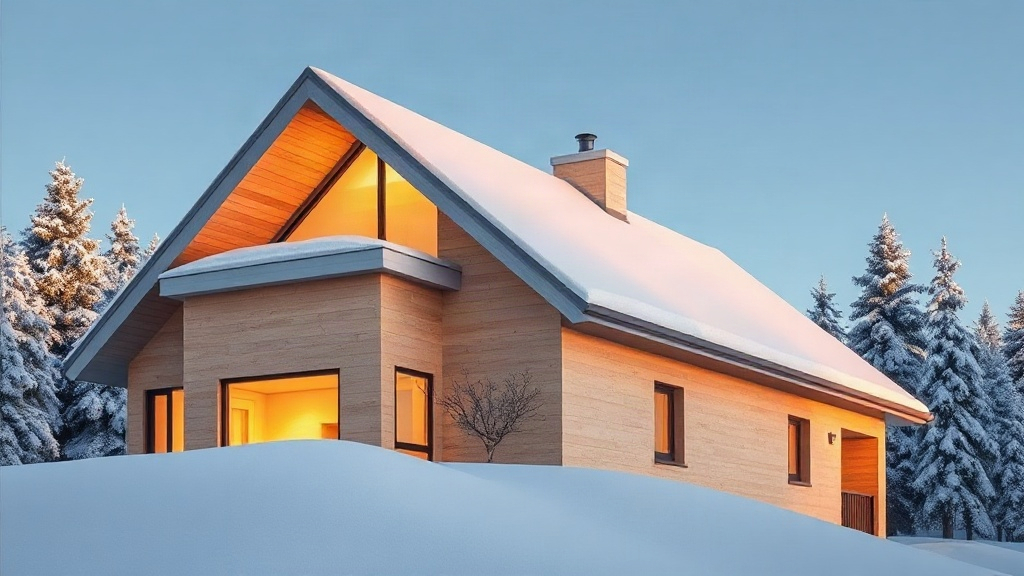
If you've ever watched your heating bill climb while your upstairs bedrooms stay cold, you're not alone. Canadian homeowners face some of the most extreme temperature swings on the planet, and the roof is where much of that energy quietly escapes. Traditional roofing systems, even when properly ventilated, often struggle to keep up. That's where insulated roof panels come in. By combining structural strength, thermal performance, and weathertightness in a single product, these panels are changing the way we think about attics, additions, and even entire home retrofits. In this article, we'll explore why eps insulation and sandwich panels canada homeowners rely on are becoming the go-to solution for smarter, more resilient roofs.
Why Your Roof Is Your Home's Biggest Energy Loser
Heat rises, and in winter, it pushes up through your ceiling into the attic. If that attic isn't properly insulated, the heat escapes through the roof deck. This not only wastes money but also creates the perfect conditions for ice dams. Snow on the roof melts from the warm attic below, then refreezes at the eaves, forming a dam that forces water under shingles and into your home. In summer, the opposite happens: the sun bakes the roof, and without a thermal barrier, that heat radiates down into living spaces, making air conditioning work overtime.
According to Natural Resources Canada, space heating accounts for around 60% of a typical home's energy use. A significant portion of that heat can be lost through the roof if it's under-insulated. While adding blown-in insulation to the attic floor helps, it doesn't address the roof deck itself. Insulated roof panels provide a continuous thermal break right at the roof surface, tackling the problem at its source.
What Are Insulated Roof Panels?
Insulated roof panels are prefabricated building components that sandwich a rigid foam core between two structural facings. The core is typically made of expanded polystyrene (EPS), polyisocyanurate, or polyurethane. The facings can be oriented strand board (OSB), plywood, steel, or aluminum. When the core is EPS, the result is an affordable, moisture-resistant, and highly effective thermal barrier. These panels are often referred to as sandwich panels canada because of their layered construction and widespread use across the country.
Unlike traditional stick-built roofing, where insulation is added separately, insulated roof panels arrive as a single unit. They can span rafters, support loads, and provide insulation all at once. This speeds up construction, reduces thermal bridging, and ensures consistent R-values across the entire roof area.
The Role of EPS Insulation
EPS insulation is a type of rigid foam made from expanded polystyrene beads. It's lightweight, cost-effective, and has excellent insulating properties. EPS is also resistant to moisture absorption, which is critical in Canada's wet and snowy climate. When used as the core of a roof panel, EPS delivers reliable R-values that don't degrade over time. It's also environmentally friendly: EPS is 100% recyclable and contains no HCFCs or formaldehyde.
One common misconception is that EPS isn't strong enough for structural applications. In reality, when bonded to structural facings, EPS panels can handle significant loads. They're used in walls, floors, and roofs across residential and commercial buildings. For Canadian homeowners, EPS roof panels offer a balance of performance and affordability that's hard to beat.
Benefits of Insulated Roof Panels for Canadian Homes
Switching to insulated roof panels isn't just a minor upgrade; it's a whole-system improvement. Here's what you can expect.
1. Dramatic Energy Savings
By eliminating thermal bridging and providing continuous insulation, these panels can reduce heat loss through the roof by up to 50% compared to a conventional vented roof with batt insulation. That translates directly into lower heating and cooling bills. Many homeowners report savings of 20–30% on their annual energy costs after upgrading. In a country where winter lasts six months or more, those savings add up fast.
2. Ice Dam Prevention
Ice dams form when heat escapes into the attic and warms the roof deck unevenly. Insulated roof panels keep the roof surface cold and uniform, so snow melts only from the sun, not from below. This prevents meltwater from refreezing at the eaves and backing up under shingles. The result: no more ice dams, no more water stains on ceilings, and no more costly repairs.
3. Improved Comfort
Rooms directly under the roof, like bedrooms and lofts, often suffer from temperature swings. Insulated panels create a stable indoor environment by reducing heat gain in summer and heat loss in winter. They also dampen sound from rain, hail, and traffic, making your home quieter and more peaceful.
4. Faster Installation
Because insulated roof panels are prefabricated, they install quickly. A crew can cover a typical roof in a fraction of the time it takes to build a traditional roof with separate insulation, ventilation, and sheathing. This reduces labor costs and minimizes disruption to your household. For new builds, it can shorten the construction schedule significantly.
5. Durability and Moisture Resistance
EPS core panels are closed-cell, meaning they don't absorb water. Unlike fiberglass insulation, which can become a soggy mess if it gets wet, EPS maintains its R-value even in damp conditions. The panels also add structural rigidity to the roof, improving its resistance to wind uplift and snow loads. In coastal or snowy regions, that extra resilience is a major advantage.
Applications: Where Insulated Roof Panels Shine
These panels are versatile and can be used in various scenarios:
- New home construction: Builders are increasingly choosing insulated roof panels for their speed, performance, and sustainability.
- Home additions and sunrooms: When you're adding space, you want it comfortable from day one. Insulated panels ensure the new roof performs as well as the rest of the house.
- Garages and workshops: Unheated spaces benefit too, especially if you plan to heat them occasionally.
- Retrofit over existing roofs: In some cases, panels can be installed over an existing roof structure, saving demolition costs.
- Commercial and agricultural buildings: The same benefits apply at scale, from warehouses to barns.
How to Choose the Right Insulated Roof Panels
Not all panels are created equal. Here's what to consider:
- R-value: Determine the insulation level you need based on your climate zone. In Canada, roofs typically require R-40 to R-60. EPS panels come in various thicknesses to meet these targets.
- Core material: EPS is the most budget-friendly and moisture-resistant. Polyiso offers higher R-value per inch but costs more. Polyurethane is similar to polyiso but often used in specialty applications.
- Facings: OSB and plywood are common for residential roofs, while steel or aluminum facings are used for commercial or exposed applications. Consider your roofing finish: shingles, metal, or membrane.
- Panel thickness and span: Ensure the panel can span your rafter spacing without sagging. Manufacturers provide span tables.
- Code compliance: Check that the panels meet local building codes and have appropriate certifications (e.g., CAN/ULC, ASTM).
- Supplier reputation: Choose a supplier with experience in your region and a track record of quality. Look for warranties and technical support.
Installation Tips for Canadian Climates
While hiring a professional is recommended, understanding the process helps you ask the right questions.
- Seal all joints: Use high-quality tapes or sealants to prevent air leakage. In cold climates, even small gaps can lead to condensation and heat loss.
- Manage moisture: Although EPS is moisture-resistant, proper flashing and ventilation are still important. Ensure roof penetrations (chimneys, vents) are properly sealed.
- Consider snow loads: Canadian roofs must support heavy snow. Insulated panels add strength, but verify the structural capacity with an engineer.
- Plan for thermal expansion: In extreme temperature changes, panels may expand and contract. Follow manufacturer guidelines for fastening and spacing.
- Work with experienced installers: A certified installer will ensure the panels are correctly aligned and sealed, maximizing performance.
Frequently Asked Questions
Are insulated roof panels worth the investment?
Yes, for most homeowners. While the upfront cost is higher than traditional insulation, the energy savings, improved comfort, and reduced risk of ice dams often lead to a payback period of 5–10 years. Plus, they add value to your home and can reduce maintenance costs.
Can I install insulated roof panels over my existing shingles?
In some cases, yes. If your existing roof structure is sound and the added height and weight are acceptable, you can install panels over the old roof. However, it's best to consult a roofing professional to assess your specific situation.
How long do EPS insulated roof panels last?
With proper installation and maintenance, EPS panels can last 50 years or more. The EPS core doesn't degrade, and the facings are durable. The roofing membrane on top may need replacement after 20–30 years, but the panels themselves remain effective.
Do insulated roof panels require ventilation?
No, they are designed to be a closed system. Unlike traditional roofs that rely on ventilation to remove moisture, insulated panels create a sealed envelope that prevents moisture from entering. This simplifies roof design and reduces the risk of mold.
What is the R-value of a typical insulated roof panel?
R-values vary by thickness and core material. For EPS, you can expect R-4 per inch. A 6-inch panel provides around R-24, while a 10-inch panel reaches R-40. For Canadian climates, thicker panels are often recommended to meet code requirements.
Making the Switch
Upgrading to insulated roof panels is a decision that pays off in comfort, savings, and peace of mind. Whether you're building new or retrofitting, these panels offer a proven solution for Canada's challenging climate. By choosing quality materials and working with experienced professionals, you can enjoy a warmer home in winter, a cooler one in summer, and lower bills all year round. If you're ready to explore the possibilities, reach out to a trusted supplier like EPS Insulation Canada to discuss your project.