
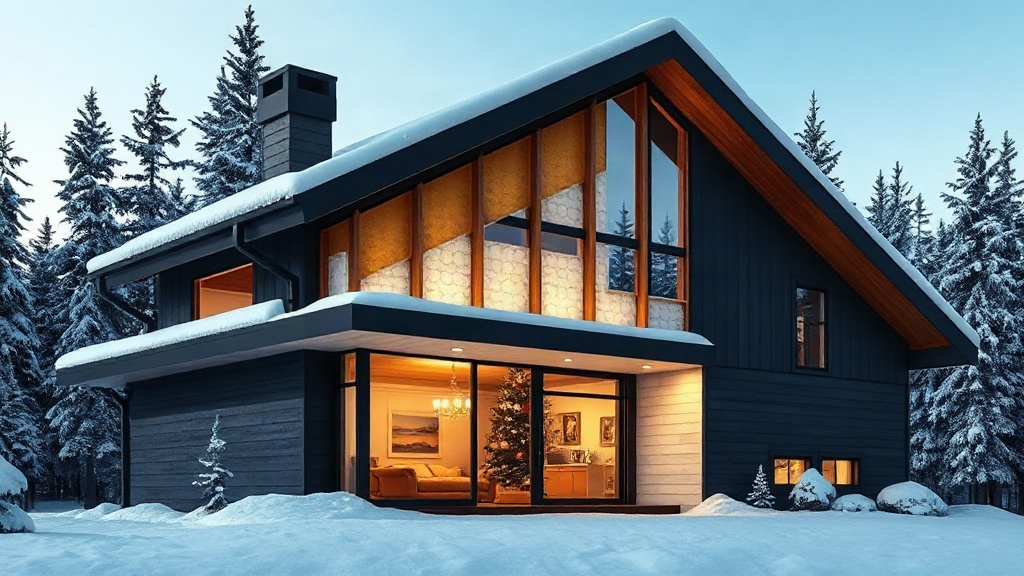
When winter winds howl and summer sun beats down, your roof is your home's first line of defense. In Canada, where temperature swings can exceed 60°C annually, the right roofing system isn't just a comfort choice—it's a necessity. EPS insulation has quietly become a cornerstone of high-performance roofing, and for good reason. Unlike traditional fiberglass batts that can sag or lose efficiency when damp, EPS (expanded polystyrene) delivers consistent thermal resistance year after year. Pair it with sandwich panels Canada homeowners trust, and you get a roof that works as hard as you do. This article explores why insulated roof panels with EPS cores are gaining traction from Vancouver to Halifax, and how they can slash your energy bills while keeping your home cozy.
Why EPS Insulation Stands Out in Canadian Climates
EPS is a closed-cell foam made from expanded polystyrene beads. Its structure traps air in tiny pockets, creating a barrier that resists heat flow. In practical terms, that means your home stays warmer in winter and cooler in summer without relying solely on your furnace or AC. But what makes EPS particularly suited to Canada?
- Moisture resistance: EPS doesn't absorb water like fiberglass. Even in humid coastal regions or after a heavy snowmelt, it maintains its R-value.
- Temperature stability: EPS performs well in extreme cold. Its R-value per inch remains stable even at -30°C, unlike some other foams that lose efficiency.
- Durability: It won't rot, mold, or corrode. Pests leave it alone, and it doesn't support fungal growth.
- Cost-effectiveness: EPS is often more affordable than polyisocyanurate or extruded polystyrene (XPS), making it a smart choice for budget-conscious builders.
These properties translate into real-world benefits: fewer drafts, lower heating costs, and a roof that lasts decades. In fact, many Canadian building codes now recognize EPS as an approved insulation material for roof assemblies, provided it's installed correctly.
What Are Insulated Roof Panels?
Insulated roof panels are structural panels that combine an insulating core with exterior and interior facings. The core can be EPS, polyurethane, or other foams. The facings might be metal, plywood, or oriented strand board (OSB). When you choose panels with an EPS core, you get a lightweight, strong, and thermally efficient building block for your roof.
These panels come in two main types:
- Structural insulated panels (SIPs): Typically used for walls and roofs, SIPs have OSB facings and are load-bearing. They replace traditional framing and insulation in one step.
- Insulated metal panels (IMPs): These have metal skins and are often used for commercial or industrial roofs, but they're also finding their way into residential projects. They offer excellent weather resistance and can be installed quickly.
For Canadian homeowners, both types can be paired with EPS cores. The choice depends on your budget, design, and local building codes.
The Sandwich Panel Advantage: A Canadian Perspective
You might have heard the term sandwich panels Canada in construction circles. These are essentially insulated panels with a core sandwiched between two facings. In Canada, they're particularly popular for their ability to handle harsh weather while speeding up construction.
Why? Because they arrive pre-insulated and ready to install. No need to frame, insulate, and then sheath separately. This reduces labor costs and construction time, which matters when you're racing against the first snowfall. Moreover, sandwich panels with EPS cores provide continuous insulation, eliminating thermal bridging that plagues traditional stick-built roofs.
Canadian suppliers often tailor sandwich panels to meet local codes, such as the National Building Code of Canada (NBCC) and provincial energy efficiency standards. For example, in Ontario, the Supplementary Standard SB-12 sets minimum R-values for roofs; EPS-core panels can easily meet or exceed these requirements.
Energy Savings and Environmental Impact
Heating and cooling account for about 60% of Canadian home energy use, according to Natural Resources Canada. A well-insulated roof can reduce that significantly. EPS insulation typically has an R-value of around 4.0 per inch (RSI 0.70 per 25 mm). That means a 4-inch EPS core delivers roughly R-16, while a 6-inch core gives R-24. Combine that with the panel's continuous coverage, and you can achieve whole-roof R-values of 30 or more.
The environmental story is also compelling. EPS is 98% air and can be recycled. Many manufacturers now produce EPS with recycled content. And because it reduces energy demand, it lowers your home's carbon footprint over time. For eco-conscious Canadians, that's a win-win.
Installation Tips for Canadian Conditions
Installing insulated roof panels isn't a weekend DIY project for most homeowners, but understanding the process helps you communicate with your contractor. Here are key considerations:
- Seal the seams: Canadian weather can drive rain and snow into tiny gaps. Use high-quality sealants and tapes designed for low temperatures.
- Ventilation: While EPS panels reduce the need for attic ventilation, proper design still matters. A qualified builder will ensure your roof assembly can manage moisture.
- Snow load: Canada's building codes specify snow load requirements. Make sure your panel system is engineered for your region's snow load, especially in areas like Quebec and the Atlantic provinces.
- Thermal bridging: Use staggered joints and avoid penetrating the insulation with structural members that conduct heat.
- Professional installation: Hire a contractor experienced with insulated panels. Mistakes can compromise performance and lead to costly repairs.
If you're retrofitting an existing roof, you might consider adding EPS insulation panels over the existing structure. This can be done with a nail base panel that provides a surface for new shingles or metal roofing. It's a cost-effective way to boost R-value without a full tear-off.
Common Questions About Insulated Roof Panels and EPS
How does EPS insulation compare to spray foam for roof panels?
Spray foam offers a slightly higher R-value per inch (around R-6 to R-7), but it's more expensive and requires professional application. EPS panels are pre-manufactured, consistent in quality, and typically more budget-friendly. For most residential roofs, EPS provides an excellent balance of performance and cost.
Can insulated roof panels with EPS be used in extreme cold like Northern Canada?
Yes, EPS maintains its thermal performance in cold temperatures. However, you'll need to increase the thickness to achieve the desired R-value. In Yukon or Northwest Territories, builders often use thicker EPS cores (8 inches or more) to meet energy codes. The key is proper design and installation to prevent air leakage.
What is the typical lifespan of an insulated roof panel with EPS core?
With proper installation and maintenance, these panels can last 50 years or more. The EPS core doesn't degrade, and the facings (metal or OSB) determine the exterior lifespan. Metal facings can last even longer, while OSB may need periodic recoating if exposed.
Are there any drawbacks to using EPS in roof panels?
EPS has a lower R-value per inch than some high-performance foams, so you may need a thicker panel to hit target R-values. Also, it's not structural on its own; it must be part of a panel assembly. But these are minor trade-offs for its affordability, moisture resistance, and durability.
How do I find a reputable supplier of sandwich panels in Canada?
Look for suppliers with a track record in your region. Check for certifications like Canadian Construction Materials Centre (CCMC) evaluation reports. Ask for references from local builders. A good supplier will help you choose the right panel for your climate zone and building code.
Making the Right Choice for Your Canadian Roof
Your roof is an investment, and in Canada's climate, it pays to choose materials that can take a beating. Insulated roof panels with EPS cores offer a smart combination of energy efficiency, moisture resistance, and durability. Whether you're building new or retrofitting, they can help you create a comfortable, efficient home that stands up to the elements. As you plan your project, consult with professionals who understand Canadian building codes and the unique demands of our weather. With the right panels and installation, your roof will protect you for decades to come.