
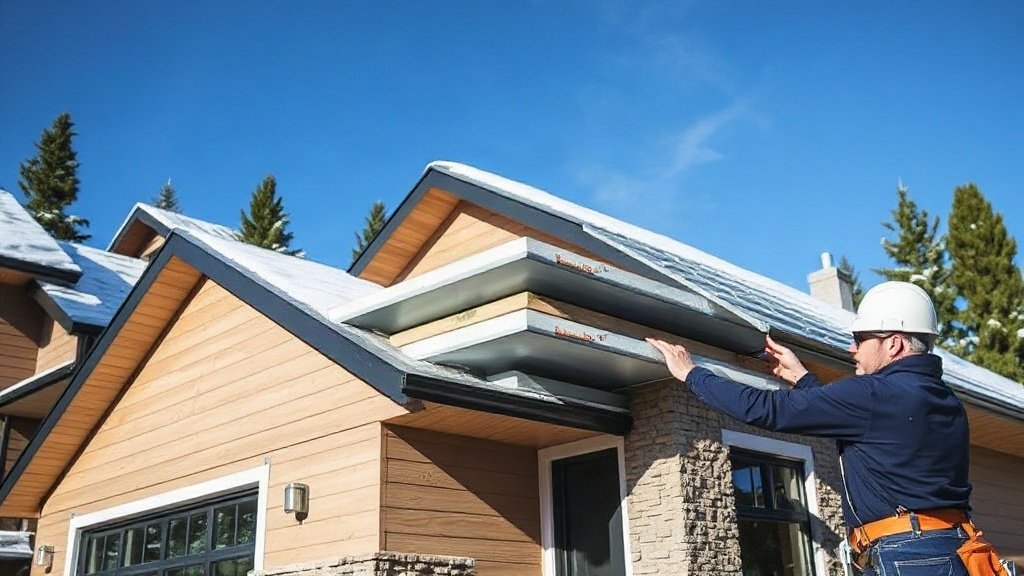
When winter winds howl and summer sun beats down, your roof takes the brunt of Canada's extreme weather. That's why choosing the right insulated roof panels isn't just a construction detail; it's a decision that affects your energy bills, comfort, and peace of mind for decades. In this guide, we'll cut through the noise and compare two leading options: EPS insulation and sandwich panels Canada homeowners and builders trust. Whether you're retrofitting an old attic or designing a new commercial building, understanding these materials will help you make a smart, lasting investment.
Why Insulated Roof Panels Matter in Canada
Canadian climates are notoriously tough. From the freezing temperatures of the Prairies to the damp coastal winters of British Columbia, your roof must handle it all. Traditional roofing with separate insulation layers often leaves gaps, creating thermal bridges that suck heat out of your home. Insulated roof panels solve this by combining structural integrity and insulation in a single unit. They reduce energy loss, prevent condensation, and speed up installation. But not all panels are created equal. The core material makes a huge difference, and that's where EPS insulation and sandwich panels Canada come into play.
What Are Insulated Roof Panels?
At their simplest, insulated roof panels are prefabricated roofing elements with an insulating core sandwiched between two facings. The facings can be metal, wood, or composite, while the core is typically rigid foam. These panels are designed to span between supports, carrying loads while keeping heat in (or out). They're used in residential, commercial, and industrial buildings. The most common types include:
- EPS insulation core panels: made of expanded polystyrene, known for cost-effectiveness and moisture resistance.
- Polyisocyanurate (polyiso) core panels: higher R-value per inch but pricier.
- XPS core panels: extruded polystyrene, offering good moisture resistance.
- Sandwich panels Canada: a broad term for panels with various cores, often used in cold storage and agricultural buildings.
Among these, EPS insulation stands out for its balance of performance and affordability, while sandwich panels Canada are praised for their versatility and quick assembly.
EPS Insulation: The Workhorse of Roof Panels
What Makes EPS Insulation Special?
EPS insulation is made from expanded polystyrene beads, fused together to create a lightweight, rigid foam. It's the same material used in coffee cups and packaging, but in construction, it's produced in large blocks and cut into panels. Its closed-cell structure gives it excellent resistance to water absorption, which is critical for roofs that face freeze-thaw cycles. EPS also retains its R-value over time, meaning it won't lose insulating power as it ages. For Canadian roofs, that reliability is gold.
Benefits of EPS Insulation in Roof Panels
- Energy efficiency: EPS has an R-value of about 3.8 to 4.4 per inch, depending on density. A 4-inch panel can deliver R-16, significantly reducing heat loss.
- Moisture resistance: It doesn't absorb water, so it won't rot or mold like some fibrous insulations.
- Cost-effective: EPS is generally less expensive than polyiso or XPS, making it a budget-friendly choice for large roofs.
- Eco-friendly: EPS is recyclable and contains no CFCs or HCFCs, which deplete the ozone layer.
- Durability: It won't compress or sag over time when properly installed.
However, EPS has a lower R-value per inch compared to polyiso, so you may need thicker panels to achieve the same insulation level. Also, it's not as fire-resistant as some other cores, so building codes may require additional fire barriers.
Sandwich Panels Canada: The All-in-One Solution
What Are Sandwich Panels?
Sandwich panels Canada refer to prefabricated panels consisting of two rigid facings bonded to a lightweight core. In Canada, these panels are widely used for walls and roofs in commercial, industrial, and agricultural buildings. The facings are often metal (steel or aluminum), but can also be oriented strand board (OSB) or plywood. The core can be EPS, polyurethane, polyiso, or even mineral wool. When used as insulated roof panels, they provide structure, insulation, and weatherproofing in one package.
Advantages of Sandwich Panels for Roofs
- Fast installation: Panels arrive pre-cut and ready to install, reducing labor time and costs.
- Superior insulation: With high-performance cores like polyurethane, you can achieve higher R-values per inch than EPS alone.
- Structural strength: The facings act as stress skins, allowing panels to span greater distances without additional support.
- Weathertight: Interlocking joints and gaskets create a seamless, watertight roof.
- Aesthetic options: Metal facings come in various colors and profiles, enhancing curb appeal.
But sandwich panels aren't without drawbacks. They can be more expensive upfront than traditional roofing, and if the core is EPS, the same fire considerations apply. Also, improper installation can lead to gaps or thermal bridging at joints.
EPS Insulation vs. Sandwich Panels: Which Is Right for Your Roof?
The choice between using EPS insulation as part of a panel system versus opting for sandwich panels Canada depends on your project's specific needs. Here's a quick comparison:
- Cost: EPS insulation is typically cheaper per square foot, but sandwich panels may save on labor and structural costs.
- Insulation value: Sandwich panels with polyurethane cores offer higher R-values per inch, but EPS panels can be made thicker to compensate.
- Installation: Sandwich panels are faster to install, while EPS panels might require separate weatherproofing and structural support.
- Moisture resistance: Both EPS and sandwich panels with EPS cores resist moisture well, but metal facings add an extra layer of protection.
- Fire performance: Neither EPS nor polyurethane is fireproof; sandwich panels with mineral wool cores offer better fire resistance.
For residential retrofits, EPS insulation panels can be a cost-effective way to boost energy efficiency without a full roof replacement. For new commercial buildings, sandwich panels Canada provide a speedy, integrated solution that meets stringent building codes.
Installation Tips for Canadian Climates
Installing insulated roof panels in Canada requires attention to detail. Here are some best practices:
- Check local building codes: Canadian codes vary by province; ensure your chosen panels meet fire, structural, and energy requirements.
- Prevent thermal bridging: Use thermal breaks at panel joints and fasteners to avoid heat loss.
- Manage moisture: Install proper ventilation and vapor barriers to prevent condensation, especially in cold climates.
- Seal joints: Use high-quality sealants and gaskets to keep water out; freeze-thaw cycles can exploit any weakness.
- Consider snow loads: Canadian roofs must bear heavy snow; ensure panels and supports are engineered for your region's snow load.
Working with an experienced contractor who understands EPS insulation and sandwich panels Canada can save you from costly mistakes.
Frequently Asked Questions
What is the R-value of EPS insulation in roof panels?
EPS insulation typically has an R-value of 3.8 to 4.4 per inch, depending on density. So a 4-inch EPS panel provides around R-16 to R-18. For higher R-values, you can use thicker panels or combine EPS with other insulation materials.
Are sandwich panels suitable for residential roofs in Canada?
Yes, sandwich panels Canada are increasingly used in residential construction, especially for additions, garages, and modern homes. They offer fast installation and excellent insulation. However, they may require additional design considerations for aesthetics and building code compliance.
Can EPS insulation get wet and lose its performance?
EPS insulation is closed-cell and does not absorb water, so it retains its insulating performance even when exposed to moisture. However, prolonged exposure to water can degrade other components, so proper drainage and sealing are essential.
How long do insulated roof panels last?
With proper installation and maintenance, insulated roof panels can last 30 to 50 years or more. The facings (metal or wood) may need occasional repainting or sealing, but the EPS core remains stable.
What is the cost difference between EPS and sandwich panels?
EPS insulation panels are generally less expensive per square foot than sandwich panels with high-performance cores. However, sandwich panels can reduce labor and structural costs, so the total installed cost may be comparable. Get multiple quotes to compare.
Making the Smart Choice for Your Canadian Roof
Your roof is your first line of defense against the elements, and insulated roof panels are a smart upgrade for any Canadian building. Whether you choose EPS insulation for its affordability and moisture resistance or sandwich panels Canada for their integrated strength and speed, both options can slash energy bills and improve comfort. Take the time to assess your project's needs, consult with a professional, and invest in quality materials. Your roof will thank you for years to come.