
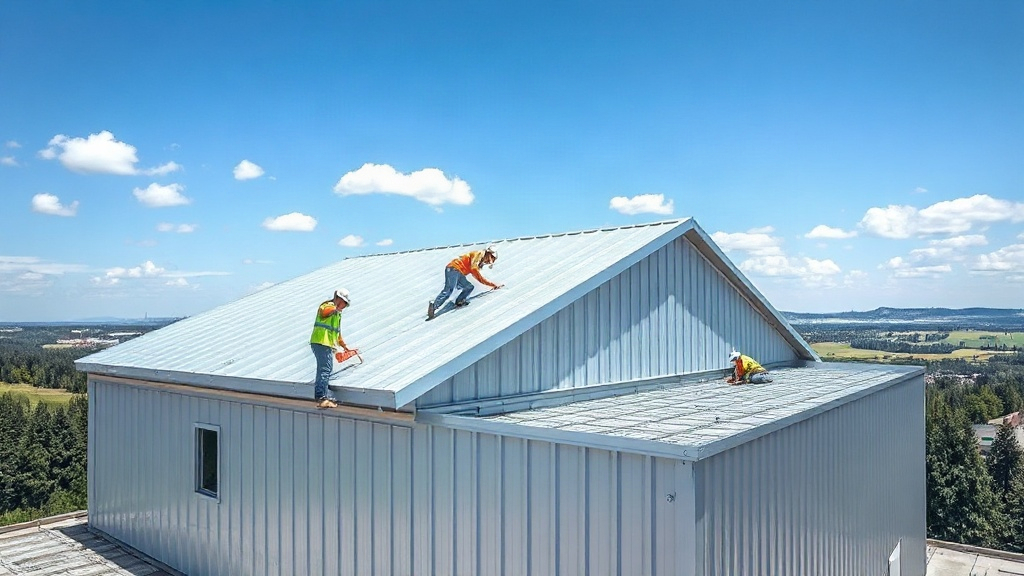
When planning a construction project in Canada, the choice of building materials can significantly impact energy efficiency, durability, and overall cost. Among the most versatile solutions are sandwich panels, which combine structural integrity with thermal performance. At the heart of these panels lies EPS insulation, a material that has revolutionized the way we build. In this article, we'll explore why sandwich panels with EPS insulation are a smart choice for Canadian climates, and how insulated roof panels can elevate your project.
What Are Sandwich Panels?
Sandwich panels consist of two rigid outer skins bonded to a lightweight insulating core. The skins are typically made of metal, such as steel or aluminum, while the core can be polyurethane, polyisocyanurate, or expanded polystyrene (EPS). The composite structure creates a strong, lightweight panel that offers excellent thermal insulation and structural stability. In Canada, where temperature extremes are common, sandwich panels with EPS cores are increasingly popular for both residential and commercial applications.
Why EPS Insulation?
EPS insulation is a rigid, closed-cell foam made from expanded polystyrene beads. It is known for its exceptional insulating properties, low moisture absorption, and cost-effectiveness. Unlike some other insulation materials, EPS does not degrade over time, maintaining its R-value for the life of the building. Additionally, EPS is environmentally friendly, as it is 100% recyclable and free of ozone-depleting substances.
Key Benefits of EPS in Sandwich Panels
- Superior Thermal Performance: EPS has a high R-value per inch, reducing heat transfer and lowering energy bills.
- Moisture Resistance: Closed-cell structure prevents water absorption, preventing mold and rot.
- Lightweight: Easy to handle and install, reducing labor costs and structural load.
- Durability: Resists pests, decay, and aging, ensuring long-term performance.
- Cost-Effective: Affordable compared to other insulation types, offering excellent return on investment.
Sandwich Panels Canada: Meeting Local Building Codes
In Canada, building codes demand high energy efficiency, especially in colder regions. Sandwich panels Canada manufacturers produce products that meet or exceed these standards. EPS insulation is particularly effective in cold climates because it maintains its insulating value even at low temperatures. Whether you're building in Toronto, Vancouver, or Calgary, sandwich panels with EPS cores can help you achieve compliance and sustainability goals.
Applications of Sandwich Panels with EPS Insulation
These panels are used in a wide range of construction projects:
- Roofing: Insulated roof panels provide a weather-tight, energy-efficient roof system.
- Walls: Create airtight, insulated walls for warehouses, cold storage, and commercial buildings.
- Floors: Used in refrigerated rooms and modular buildings.
- Partitions: Ideal for clean rooms, offices, and industrial enclosures.
Insulated Roof Panels: A Closer Look
Insulated roof panels are a specific type of sandwich panel designed for roofing applications. They consist of an EPS core sandwiched between metal facings, often with a profiled exterior for weather resistance. These panels are installed over purlins, creating a continuous insulated surface that eliminates thermal bridging. The result is a roof that keeps heat in during winter and out during summer, reducing HVAC loads.
Advantages of Insulated Roof Panels
- Energy Savings: Lower heating and cooling costs by up to 30%.
- Fast Installation: Panels are prefabricated and can be installed quickly, reducing construction time.
- Weatherproof: Concealed fasteners and sealed joints prevent leaks.
- Aesthetic Appeal: Available in various colors and profiles to match any design.
Installation Best Practices for Sandwich Panels
Proper installation is critical to maximize the benefits of sandwich panels. Here are some tips:
- Ensure Proper Substrate: The supporting structure must be level and capable of bearing the load.
- Use Recommended Fasteners: Follow manufacturer guidelines for screws and clips to avoid thermal bridging.
- Seal Joints: Apply high-quality sealants to prevent air and water infiltration.
- Handle with Care: Avoid damaging the panel surfaces during transport and installation.
- Consult Professionals: Work with experienced installers to ensure a proper fit and finish.
Environmental Impact and Sustainability
EPS insulation is an environmentally responsible choice. It is manufactured without CFCs or HCFCs, and it can be recycled at the end of its life. Sandwich panels themselves are durable and long-lasting, reducing the need for frequent replacements. By choosing EPS-insulated panels, you contribute to a more sustainable built environment.
Cost Considerations
While the upfront cost of sandwich panels with EPS insulation may be higher than traditional building methods, the long-term savings are substantial. Reduced energy bills, lower maintenance costs, and faster construction timelines often result in a favorable return on investment. Additionally, many Canadian provinces offer incentives for energy-efficient building practices, further offsetting initial expenses.
Frequently Asked Questions
What is the R-value of EPS insulation in sandwich panels?
EPS typically has an R-value of about 4.0 per inch. The total R-value of a sandwich panel depends on the thickness of the EPS core. For example, a 4-inch core provides approximately R-16.
Can sandwich panels with EPS be used in cold Canadian climates?
Yes, EPS maintains its insulating performance even at low temperatures, making it ideal for Canadian winters. It resists moisture and does not degrade, ensuring long-term efficiency.
Are insulated roof panels suitable for retrofitting existing buildings?
Absolutely. Insulated roof panels can be installed over existing roofs, providing an additional layer of insulation and improving energy efficiency without major structural changes.
How do sandwich panels contribute to LEED certification?
Sandwich panels with EPS insulation can contribute to LEED credits in categories such as Energy & Atmosphere, Materials & Resources, and Indoor Environmental Quality, thanks to their energy efficiency, recycled content, and low emissions.
What is the typical lifespan of sandwich panels?
With proper installation and maintenance, sandwich panels can last 50 years or more, providing durable, long-term performance.
For more information on how EPS insulation and sandwich panels can benefit your project, contact EPS Insulation Canada today. Our experts are ready to help you choose the right solution for your needs.